A closer look at Practice
By Lucy Buttenshaw January, 2026
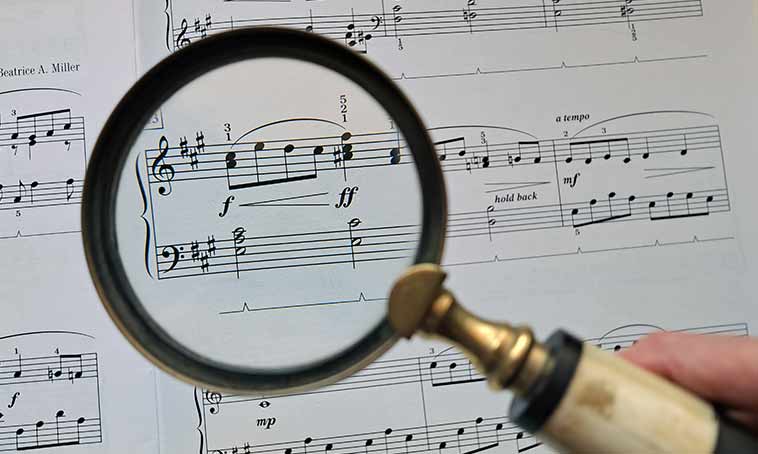
The most important thing is to establish a routine – a regular time and place without distractions.
A couple of minutes for beginners is fine. Once they have the routine, they may naturally sit longer to explore their music, but the main thing is that they routinely sit at the keyboard.
Ideally, aim for 5 days a week. School days often work well because there is already a routine structure to work around. However, lives can be busy with sport, travel and other pursuits, so just aim for what will fit into your household timetable bearing in mind that 3 to 5 regular, shorter practice sessions per week achieve more than one long one.
As the student progresses, there will be more to practice so longer sessions would be expected - depending on the student’s attention span and what kind of day they have had! Smaller chunks of practice studying their newest pieces will help them move forward.
How to practise…..
Slowly
so that your brain can talk to your fingers
Slowly
to improve coordination
Slowly
to practise the right rhythm and notes
Slowly
to address all details
Slowly
so that there is time to think
Slowly
so that you are aware of everything you do
Slowly
to catch any mistakes early
Slowly
to develop your concentration
Slowly
to make your music accurate and smooth
Slowly
Thoughtful repetition is important. Aim to play each piece a minimum of 3 times successfully.so that you can know it well enough to play it faster when you need to!
As confidence and patience builds, go for 5 times or more in a row! How many times in a row can you do a section accurately before losing concentration?!
It’s about HOW you practise and WHAT you practise – not necessarily HOW LONG.
What to practise…..
A warm up and 1 or 2 songs.
The student may be given a challenge to work on during the week to encourage creativity and motivation.
A LL students:
Always do the newest work first before playing older pieces.
Refer to notes made during the lesson.
Work in small sections starting at different points (not the beginning!)
Students with several new pieces on the go may need to alternate/rotate their pieces.
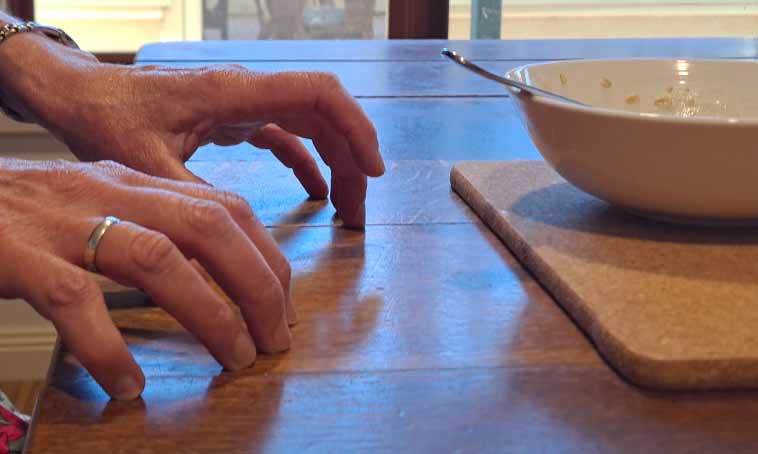
Practising ‘away from the piano’ is a valid activity – eg on the table, singing as you follow the music, counting aloud as you listen to the music.
Counting is like GLUE for your music - it helps everything stick together
Help with practise…..
Students may find encouragement practising with a family member, playing ‘teacher’ and instructing the family member how to play their songs. Creating duets and experimenting together can make practice fun!
Praise effort rather than perfection.
If the student has had a bad day and is resisting practice, just keep the experience positive. Maybe sit at the keyboard, chat, perhaps experiment or play a favourite piece and leave it at that.
Stuck?
That’s ok! Feel free to text me and perhaps I can help you between lessons with a suggestion, a tricky note, a phone call about a few bars…….